
Scandinavian-style cribs are known for their minimalist look, light wood finishes, and that calm, airy nursery aesthetic so many of us love. But there’s one detail that often catches parents off guard. They often sit lower to the ground than traditional cribs. Not dramatically low. Not unsafe-looking. Just… lower. And naturally, that raises a few questions.
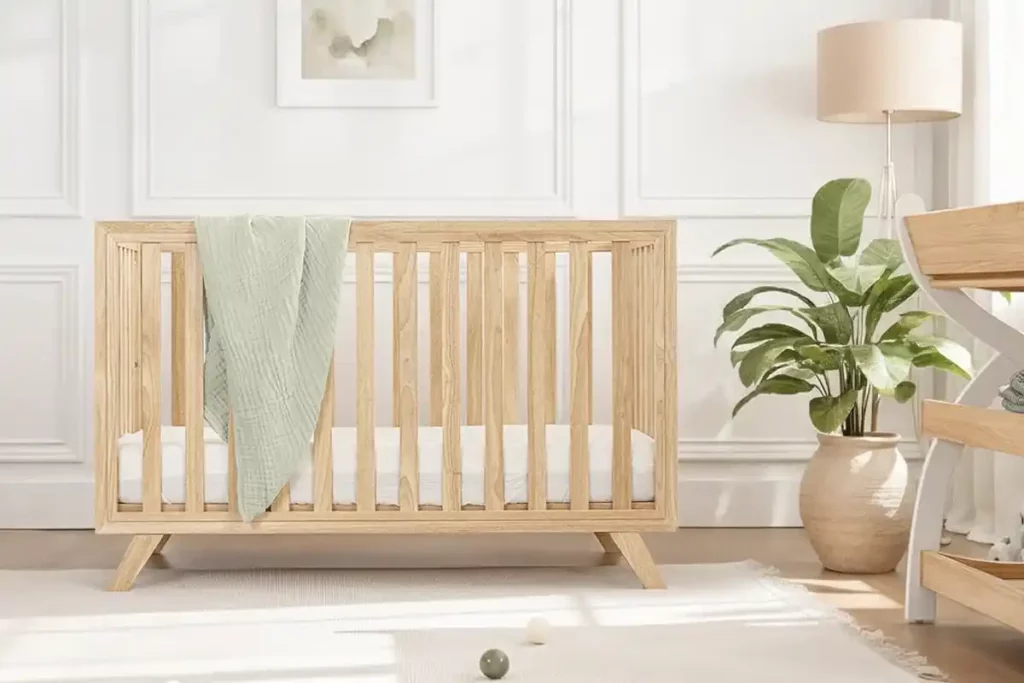
“Is the rail too short?“
“Will my baby be able to climb out earlier?“
“Is this just a trendy design choice?“
Those are just a few of the most common questions we hear from parents when they first notice how low Scandinavian cribs sit.
And honestly, you’re not overthinking it. When it comes to cribs, safety isn’t something any of us take lightly.
The reassuring part? The lower profile isn’t about reducing safety. There’s a practical reason behind it — and in many homes, it actually makes everyday parenting a little easier.
The Design Philosophy Behind Low-Profile Scandinavian Cribs
Scandinavian furniture is meant to serve a purpose. However, it’s also meant to create a space that feels calm rather than crowded.
A lower-profile crib naturally feels less bulky in the room. Your eye moves through the space more easily. The nursery feels open instead of furniture-heavy.
But here’s something important that often gets misunderstood:
Scandinavian cribs are not lower because the side rails are shorter!
The distance from the mattress support (when it’s in the lowest position) to the top of the crib rail is typically very similar to other standard cribs. U.S. safety standards regulate minimum rail height, and reputable manufacturers follow those guidelines carefully.
What’s actually different is the base and overall frame design. The legs are often shorter. The structure is streamlined. There’s less visual mass underneath.
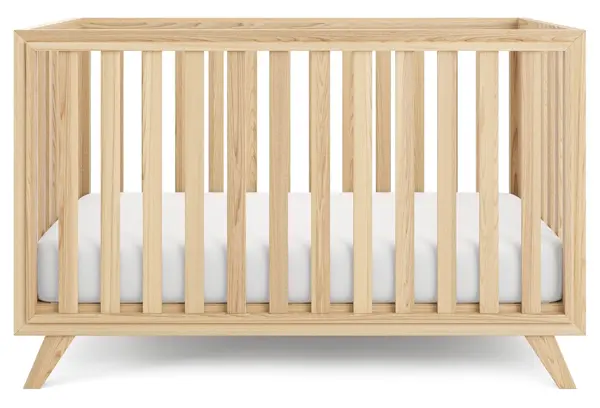
One example of this low-profile design is the Comfy Cubs Natural Wood Crib, which features shorter legs and a streamlined base while maintaining standard rail safety measurements.
So the crib looks lower — but the safety proportions are still there.
That distinction matters, especially if you’re worried about climbing once your baby starts pulling up.
If you’re exploring this style for your nursery, I’ve rounded up the best Scandinavian-style cribs that balance aesthetics, safety, and everyday practicality.
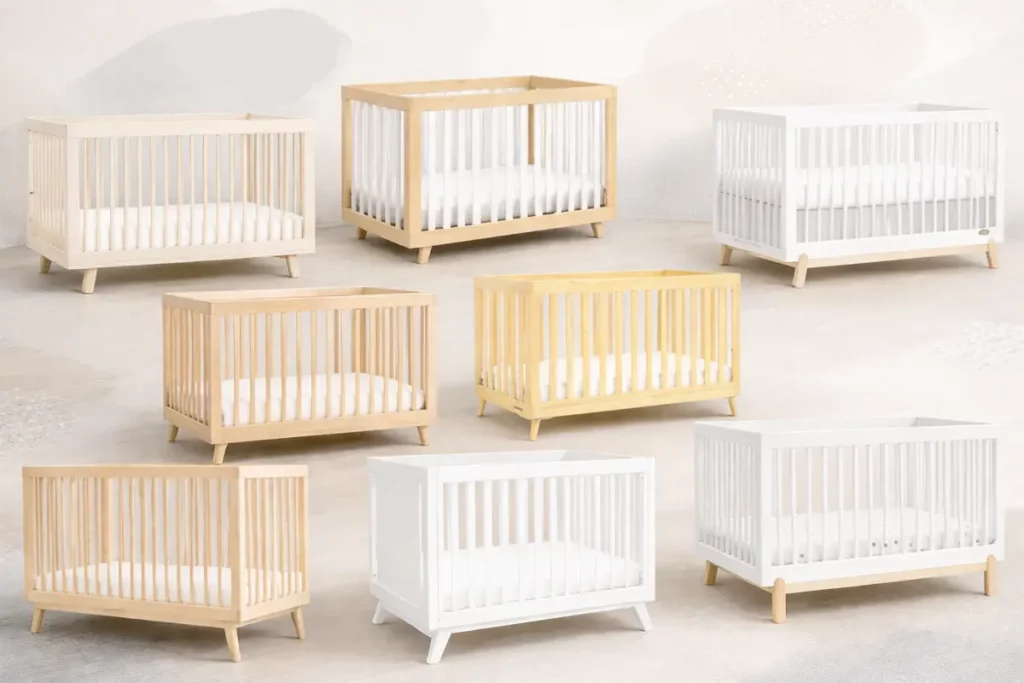
Benefits of Low-Profile Scandinavian Cribs
Once you understand the structure, the benefits make more sense.
1. Easier Accessibility:
Reaching your baby at night can feel noticeably easier when you’re not leaning over tall, bulky sides.
For shorter parents or anyone dealing with back sensitivity, that small difference in reach can add up. Especially during the newborn months, when you’re lifting your baby in and out multiple times a night.
It’s one of those things you don’t think about until you’re exhausted at 2 a.m.
2. A Better Fit for Smaller Nurseries:
In tight spaces, tall furniture can make a room feel cramped fast. A low-profile crib keeps sightlines open and helps the nursery feel lighter and calmer. That’s a big reason Scandinavian nursery design feels so peaceful — nothing visually towers over the room.
Even in larger spaces, many parents prefer that open, breathable look.
3. Works Well in Shared Rooms or Apartments:
If your baby sleeps in your bedroom or a shared living space, a lower crib tends to blend in more naturally.
It doesn’t dominate the room. It feels intentional rather than oversized. For families in apartments or smaller homes, that visual balance can make a real difference.
Are Low Scandinavian Cribs Safe?
Yes, as long as they meet U.S. federal safety standards!
Here’s what’s important to keep in mind:
- All cribs sold in the U.S. must meet Consumer Product Safety Commission (CPSC) standards.
- The lower overall appearance is a design decision — not a reduction in required rail height.
- The mattress height is adjustable, just like in traditional cribs, so you can lower it as your baby grows.
From a safety standpoint, what matters most isn’t how tall the crib looks. It’s proper mattress positioning and following safe sleep guidelines.
As most pediatricians recommend, you should:
- Use a firm, tight-fitting mattress
- Avoid loose bedding, bumpers, and pillows
- Lower the mattress once your baby starts sitting or pulling up
You can read more about safe sleep recommendations here: Safe Sleep for Babies
The crib’s overall height doesn’t override those core safety practices!
Potential Drawback to Consider
There is one situation where you may want to pause and think it through. If you’re tall.
Some taller parents prefer slightly higher cribs simply because bending feels more comfortable. If you’re over six feet tall, it may be worth testing the reach in person if possible.
That said, plenty of tall parents still choose low-profile cribs and adjust quickly. It really comes down to what feels natural for your body.
Frequently Asked Questions About Low Scandinavian Cribs
Bottom Line: Why Scandinavian Cribs Are Usually Lower to the Ground
Scandinavian cribs are usually lower to the ground because of their minimalist frame design, not because the crib rails are shorter or less safe. The base and legs are designed to sit closer to the floor, which creates that light, airy look Scandinavian nurseries are known for.
The safety measurements still meet U.S. standards. The rail height and mattress adjustments function the same way they do in traditional cribs.
The lower profile simply makes the crib feel less bulky in the room and, for many parents, a bit easier to reach into, especially during those long newborn nights.
So the height isn’t about style over safety. It’s about thoughtful design that blends function, accessibility, and a calm visual aesthetic.